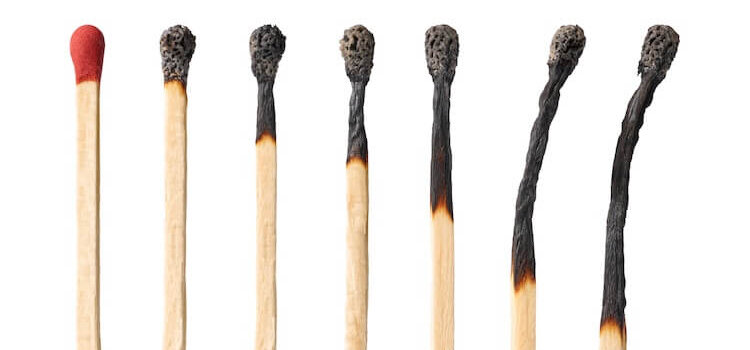
The transformation problem hiding in plain sight: Leaders are depleted
So many of the organizations with which we partner are in the middle of significant transformations that include shifts in business model and in several organizational capabilities. This heightens the importance of knowing whether the organization and your leadership team are thriving or depleted. Gartner’s 2025 HR Priorities Survey found that leader and manager development was the number one priority for the third consecutive year — specifically because leaders are not equipped to lead change at the speed organizations now require it. This points to two issues, in fact: depletion and capability gap. Let’s focus on the first one, which is depletion.
Burnout isn’t a personal failure — it’s an organizational signal
When a senior leader burns out, the instinct is often to treat the situation as an individual issue that will resolve with resilience coaching, a vacation, or a wellness stipend. But burnout at leadership levels is almost always a systemic indicator. Either role clarity has collapsed, decision rights are unclear, the team below is not yet capable, or the leader is carrying change and operations simultaneously, without adequate infrastructure or support.
Recent demands on organizations to change with greater speed creates a dual environment for leaders to navigate under pressure. The pressure puts a higher demand on the leader’s nervous system, capacity and leadership effectiveness. Whole-person coaching research is unambiguous: leaders who have structured support — not just task management, but genuine, reflective partnership — make better decisions under pressure, sustain engagement longer, and lead their teams through change more effectively. The support itself is a performance variable, not a luxury.
What “capacity” actually means in this context
Building leadership capacity for transformation means attending to three things simultaneously. These include:
- The leader’s own sustainability and sense of meaning;
- The team’s collective ability to hold complexity and move through change together; and
- The organizational conditions — structure, culture, clarity — that either enable or exhaust the people trying to lead within them.
If the senior leaders in your organization were asked today — honestly and anonymously — whether they feel equipped, supported, and sustainably energized for the transformation ahead, what would they say? If the answer is uncertain, it may be worth taking a second look. The uncertainty may not necessarily be a sign of weakness in your leaders, but rather a signal that the system around them may need as much attention as the strategy within it.
A full shift is possible — and it matters
Research in self-determination theory and whole-person leadership consistently shows that leaders with structured support make better decisions under pressure, sustain team engagement longer, and lead transformation more effectively. Whole, balanced leaders create a different environment — one in which they, and those they lead, can genuinely thrive. That is the work.
What we know at Capacity Group is that development can’t happen without clarity or without capacity. CEOs must be curious right now about where the depletion in capacity lies, the capability gaps, and the relative health of their organizations. As I’ve learned while working with horses – which effectively mirror human tendencies and capacities – slow is smooth and smooth is fast. How smooth is your team in how it is operating? How smooth is your leadership?
Capacity Group partners with senior and executive leaders to build the individual, team, and organizational capacity needed to lead change — without losing the people doing it. If this resonates, we’d welcome a conversation.